

Build a stronger category —without building a larger procurement team.
BUYERWARD helps distributors develop supplier portfolios, improve SKU coverage, benchmark cost and build more resilient sourcing strategies for selected product categories.
A product category—not just an individual RFQ.
A category is more thana collection of SKUs.
Expanding a category requires the right SKU coverage, supplier mix, cost structure, quality architecture and sourcing strategy. The best category supply chain is not always built around one factory.
Category development is useful
when the sourcing question is
bigger than one supplier.
Enter a New Category
Develop a sourcing strategy before adding suppliers and SKUs.
Expand SKU Coverage
Fill product-range gaps without creating unnecessary supplier complexity.
Reduce Fragmentation
Rationalize supplier roles across a category.
Benchmark Cost
Understand cost by product group, supplier and sourcing structure.
Build Multi-source Resilience
Design primary, secondary and specialty supplier coverage.
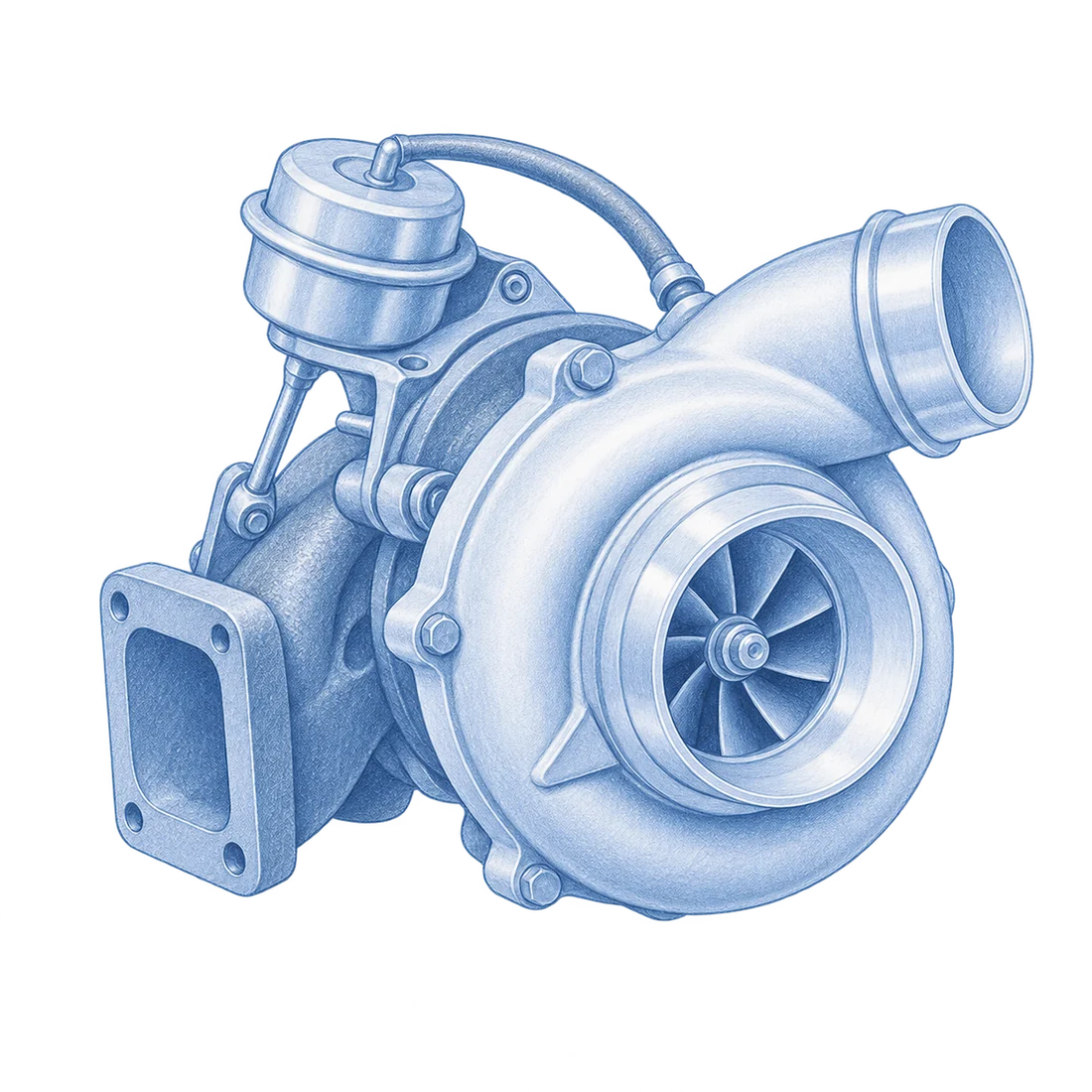
Six decisionsthat shape the category supply chain.
Define
Target customer, vehicle coverage, quality and price position.
Map SKUs
Existing, missing, high-volume and long-tail SKUs.
Map Suppliers
Match product groups with suppliers best suited to them.
Benchmark Cost
Product, tooling, MOQ, packaging and commercial terms.
Build Quality
Standards, samples, testing, inspection and claims.
Design Supply
Primary, secondary and specialty sourcing roles.
The right category can require
different suppliers for different jobs.
Core Volume
High-volume standardized SKUs.
Engineering
New-product development and technical changes.
Flexible MOQ
Lower-volume SKUs and pilot programs.
Specialty
Products requiring specialized processes or capability.
Category development creates
the foundation for private label.
Once the product range, supplier roles, quality standards and product data are organized, the supply chain can support a stronger owned-brand program.
Thinking about a new category?
Tell us the category, your current sourcing structure and what you want to improve.
Discuss a Category Opportunity →